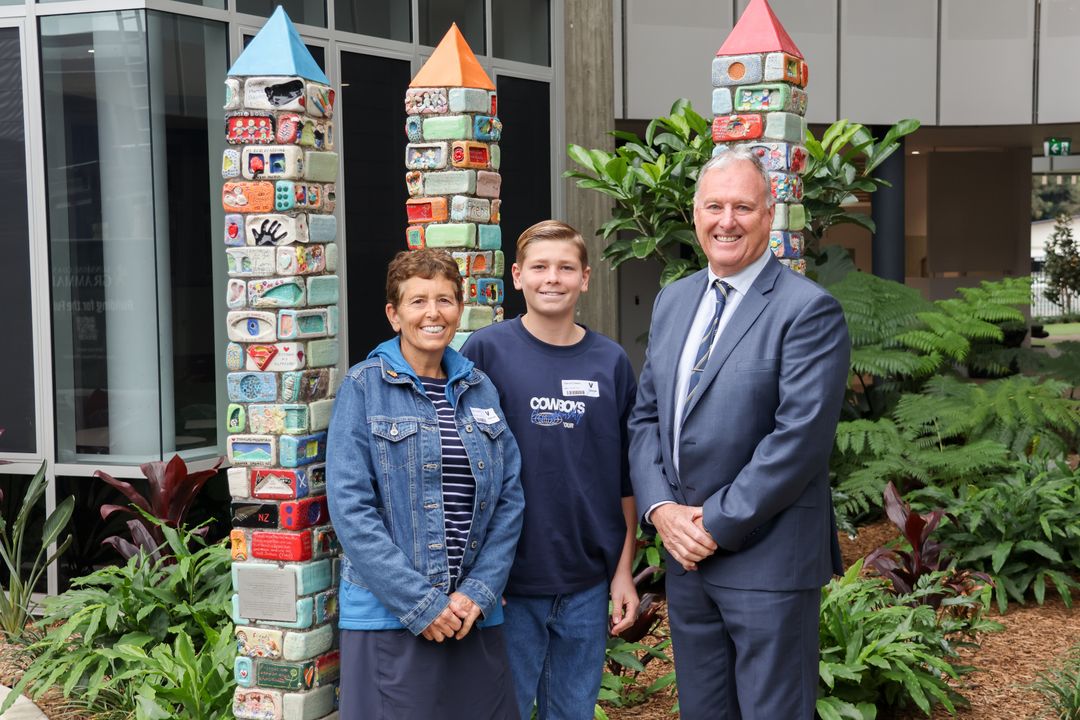
Nurturing strong peer relationships is essential to creating a safe, inclusive and thriving learning environment. Friendship Day, alongside the URStrong Program, plays a vital role in embedding empathy and inclusion within our community. Together, these initiatives empower students to build meaningful connections and foster a culture of kindness, inclusion and support.
Friendship Day is a joyful celebration that enhances student relationships and shapes a positive school culture. By honouring the value of friendship, we encourage students to embrace empathy and connection — qualities that research shows can reduce social isolation and improve classroom dynamics.
Complementing this celebration is the URStrong Program, which equips students with practical tools for building and maintaining healthy friendships. Its structured approach aligns with Social and Emotional Learning (SEL) frameworks, supporting key competencies such as self-awareness, relationship skills, and responsible decision-making. SEL programs have been shown to improve academic performance, reduce emotional distress, and enhance prosocial behaviour.
Testimonials from the school community underscore the program’s effectiveness.
“Everything my children have learned from their ‘Ninja Skills’ has helped to boost their ability to manage conflicts. Their self-belief and self-management have greatly improved because they understand they are their own BFFs.” - Year 1 & 2 Parent.
Teachers have observed that students feel more connected and supported at school since beginning the URStrong Program, which contributes to their overall well-being and engagement.
Research consistently highlights the importance of peer relationships in the development of primary school students. Positive peer interactions during the formative years are linked to increased motivation, higher self-esteem, and improved academic outcomes. Fostering meaningful peer connections in primary classrooms contributes to students’ sense of belonging and engagement, which in turn supports both social-emotional and academic growth. These relationships also help students develop critical interpersonal skills that are foundational for lifelong learning and well-being.
These initiatives reflect our school’s commitment to inclusivity and support. By embedding Friendship Day and URStrong into the fabric of our school culture, educators cultivate a nurturing environment where every student feels seen and valued. This holistic approach strengthens interpersonal bonds but also contributes to both emotional well-being and academic success.
References
American Psychological Association. (n.d.). Social-emotional learning. https://www.apa.org/ed/schools/teaching-learning/top-twenty/social-emotional-learning
Wentzel, K. R. (2017). Peer relationships, motivation, and academic performance at school. In A. J. Elliot, C. S. Dweck, & D. S. Yeager (Eds.), Handbook of competence and motivation: Theory and application (2nd ed., pp. 586–603). The Guilford Press